Safeguarding-Aware Access
Contractors need clear sign-in, identification, supervision and restricted-area arrangements according to site procedures.

Professional property and facilities support across Glasgow and surrounding areas.
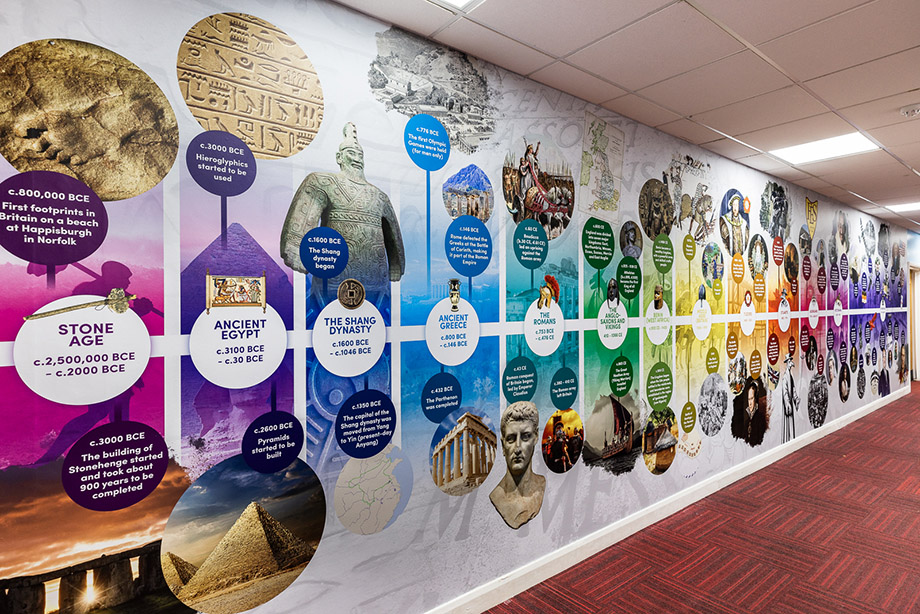
Education environments combine large numbers of people, fixed timetables, safeguarding expectations, visitor controls, communal spaces and seasonal estate demands. Contractors need to understand that access, timing and behaviour on site matter just as much as the task itself.
School and college facilities work should be planned around safeguarding procedures, access controls, pupil movement, timetables, events, exams and the practical use of the estate.
Contractors need clear sign-in, identification, supervision and restricted-area arrangements according to site procedures.
Cleaning and maintenance often need to be concentrated before school, after school or in holiday windows.
Washrooms, entrances, corridors, classrooms and communal areas need frequencies matched to actual demand.
Grounds, paths, windows and external areas form part of the estate experience for pupils, staff and visitors.
These are practical site situations, not invented case studies. They show the kind of operating detail that should influence how the work is planned.
Equipment, cleaning activity and contractor movement should not compete with pupils, parents and staff using the main routes at the start of the day. Timing and access need to be agreed before the visit.
If a scheduled task would create noise or unnecessary movement around an occupied teaching or exam area, the sensible response is to move the work to a more suitable window rather than force the original timetable.
School holidays can create a better opportunity for painting, deeper cleaning, glazing or other work that would be disruptive during normal occupancy. That window should be planned rather than treated as an afterthought.
The point is not to arrive with a standard checklist. The work should be shaped by access, people, timing, site rules and what is actually happening around the task.
Follow sign-in, identification, escort, restricted-area and reporting procedures.
Schedule equipment and external work around arrival, break, lunch and dismissal.
Use closure periods for suitable painting, deeper cleaning and window work.
Maintain grounds, entrances, glazing and agreed property areas so the site remains ready for use.
You can appoint one service or combine suitable requirements. The important part is defining the real work, access, timing and responsibilities before delivery starts.
Routine or one-off cleaning for suitable classrooms, corridors, communal spaces, offices and washrooms.
Grass, edging, hedges and seasonal external upkeep around suitable school or college grounds.
Planned glass cleaning around safe access and school activity.
Suitable guarding or access-related requirements with licensable duties assigned appropriately.
Refresh work planned around room availability, holidays and safe separation from school activity.
Suitable paths, entrances and hard surfaces cleaned as part of estate presentation.
The sequence matters less than getting the basics right: understand the environment, agree the boundaries, choose sensible service windows and keep communication clear.
Understand safeguarding, sign-in, contractor identification and restricted areas.
Identify entrances, corridors, washrooms, classrooms and external routes.
Choose service windows around pupil movement, lessons, events and holidays.
Complete work and report access issues or defects to the responsible contact.
Adjust for weather, seasonal grounds demand, holidays and events.
A polished proposal means very little if the contractor is difficult to reach, misses access arrangements or sends people who do not understand the assignment. These are the standards we want the working relationship to be built around.
Insurance cover that supports procurement confidence for the facilities and property services we provide.
People are matched to duties with appropriate training, competence and role requirements in mind.
Clear appointment windows, recurring schedules and communication when access or operating conditions change.
The scope, access, timing and practical controls are agreed around the actual property rather than copied from another contract.
Where an activity requires an SIA licence, appropriately SIA-licensed personnel are assigned.
A clear route for updates, changes, site issues and agreed escalation throughout delivery.
Practical answers before you appoint a contractor or combine several facilities services.
Potentially, yes, but only where the work, access and school procedures make that appropriate.
Yes. Holiday periods can be useful for painting, deeper cleaning, window work and other disruptive tasks.
Yes, suitable recurring or periodic grounds work can be discussed.
Suitable security requirements can be discussed, with licensable activity assigned to appropriately SIA-licensed personnel.
We expect the school or responsible organisation to brief us on its procedures, and our staff follow the agreed sign-in, identification, access and reporting requirements.
Yes, where the scope is suitable and each activity remains clearly defined.
Tell us how the estate is used, your access procedures and which services you want to coordinate. We can discuss a practical plan around the academic environment.