Guest-Ready Entrances
External areas, glass and reception-facing spaces need to look ready throughout trading periods.

Professional property and facilities support across Glasgow and surrounding areas.
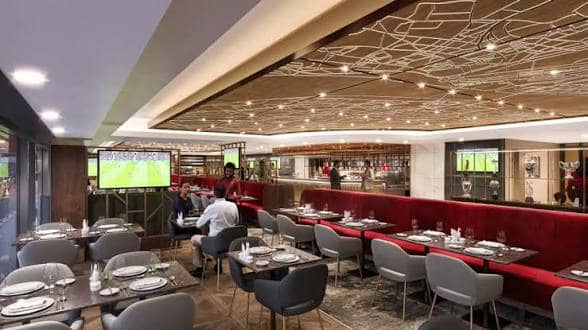
Hospitality businesses operate in public view. Guests notice entrances, glass, washrooms, floors, external areas and how staff or security interact with them. Behind the scenes, service delivery also has to respect food-safety procedures, shift patterns, deliveries and opening hours.
Good hospitality support is discreet, well-timed and aware that cleaning, security and maintenance activity can affect service delivery immediately.
External areas, glass and reception-facing spaces need to look ready throughout trading periods.
Food, drink, tracked-in rain and active cleaning can all affect floor safety, so response and timing matter.
Work near food operations must respect the operator’s approved hygiene and cross-contamination procedures.
Rooms, bars, restaurants, kitchens and public areas all have different access windows and pressures.
These are practical site situations, not invented case studies. They show the kind of operating detail that should influence how the work is planned.
A hotel entrance or reception area may need attention just as guests begin arriving. The practical solution is to choose work windows, control equipment and leave the guest route looking ready rather than visibly “under maintenance”.
The priority is quick control of the affected area, safe cleaning and clear communication with the venue team. A technically clean floor is not enough if the cleaning activity itself creates a slip or obstruction.
A task that is easy at 10:00am may be completely unsuitable at 7:00pm. Good facilities planning uses the operating rhythm of the venue, not a fixed routine copied from another site.
The point is not to arrive with a standard checklist. The work should be shaped by access, people, timing, site rules and what is actually happening around the task.
Prioritise entrances, reception-facing areas, glass, washrooms and other high-visibility spaces.
Where facilities work meets food areas, follow approved methods, products and cross-contamination controls.
Use quiet windows, sectioned working and communication so cleaning does not unnecessarily interfere with guests.
Pubs, bars and venues may need support around late trading, closing routines and turnaround.
You can appoint one service or combine suitable requirements. The important part is defining the real work, access, timing and responsibilities before delivery starts.
Cleaning for suitable guest, communal, staff and support areas planned around occupancy and access.
Guarding, door supervision or agreed security duties with appropriately licensed personnel where required.
Guest-facing windows and entrance glass maintained to support presentation.
Grass, edges, hedges and external areas around hotels and hospitality venues.
Suitable entrances, patios, paths and hard surfaces cleaned as part of planned exterior upkeep.
Refresh work for suitable guest or back-of-house areas scheduled around occupancy.
The sequence matters less than getting the basics right: understand the environment, agree the boundaries, choose sensible service windows and keep communication clear.
Separate guest-facing, food, staff, delivery, external and restricted areas.
Define frequencies, presentation expectations, access and approved procedures.
Schedule around check-in, meal service, peak bar periods, events and deliveries.
Use controlled work areas and direct communication to reduce disruption.
Adjust for occupancy, weather, events and seasonal trading.
A polished proposal means very little if the contractor is difficult to reach, misses access arrangements or sends people who do not understand the assignment. These are the standards we want the working relationship to be built around.
Insurance cover that supports procurement confidence for the facilities and property services we provide.
People are matched to duties with appropriate training, competence and role requirements in mind.
Clear appointment windows, recurring schedules and communication when access or operating conditions change.
The scope, access, timing and practical controls are agreed around the actual property rather than copied from another contract.
Where an activity requires an SIA licence, appropriately SIA-licensed personnel are assigned.
A clear route for updates, changes, site issues and agreed escalation throughout delivery.
Practical answers before you appoint a contractor or combine several facilities services.
Yes, subject to access and the agreed schedule. Out-of-hours service can reduce disruption.
Any kitchen or food-area work must be specifically scoped around the operator’s hygiene procedures, approved products and food-safety controls. Wase does not assume responsibility for the operator’s HACCP system.
Suitable requirements can be discussed. Licensable activity is assigned to appropriately SIA-licensed personnel.
Yes, these services can be scheduled individually or coordinated with wider support.
We agree access windows, work areas and timing before delivery and use quieter periods where practical.
Yes, once locations, operating hours, access and service frequencies are understood.
Tell us which areas matter most, when the property is busiest and what support you need. We can build the facilities scope around the way you operate.